No Knead Rosemary Bread
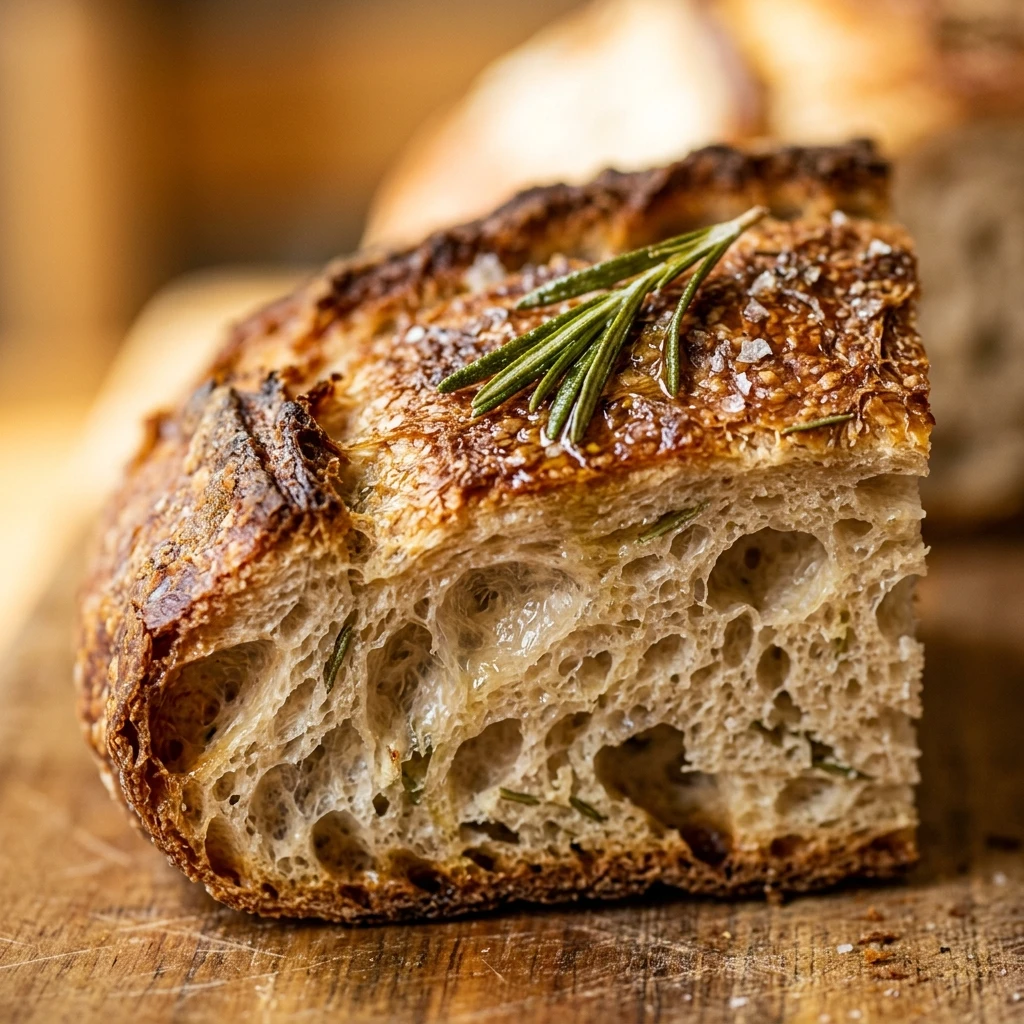
There is nothing quite like the scent of fresh bread wafting through your home. This No Knead Rosemary Bread is a game-changer for anyone who thinks baking bread is too difficult or time-consuming. With just a few basic ingredients and a bit of patience, you can create a loaf that looks and tastes like it came from a high-end artisan bakery.
The beauty of this recipe lies in its simplicity. You do not need a stand mixer, a bread machine, or even strong arms for kneading. The magic happens during a long, slow fermentation process that develops complex flavors and a perfect, chewy texture. Adding fresh rosemary elevates the bread, providing a fragrant, earthy aroma that pairs perfectly with the golden, crunchy crust.
Recipe Information
- Prep Time: 15 minutes
- Cook Time: 45 minutes
- Total Time: 13 hours 0 minutes
- Servings: 10 servings
- Difficulty Level: Easy
Nutrition Information
- Calories per serving: 165 kcal
- Protein: 4g
- Carbohydrates: 34g
- Fat: 1g
- Fiber: 2g
- Sugar: 0g
- Sodium: 350mg
Why Make This No Knead Rosemary Bread
This recipe is perfect for beginners because it is virtually foolproof. Because there is no kneading involved, you do not have to worry about overworking the dough or getting the texture wrong. The high moisture content and long rise time do all the heavy lifting for you, resulting in an airy crumb and a professional-grade crust every single time.
Beyond its ease, this bread is incredibly impressive to serve. The addition of rosemary makes it feel sophisticated, making it the perfect centerpiece for a dinner party or a cozy weekend brunch. It is also much healthier and more affordable than store-bought artisanal loaves, as it contains no preservatives or artificial additives.
How to Make No Knead Rosemary Bread
Making this bread is a simple process of mixing, waiting, and baking. You will start by preparing the dough the night before you want to eat it, allowing the yeast to work its magic slowly. Follow these straightforward steps to achieve bread-baking success.
Ingredients
- 3 cups all-purpose flour (or bread flour)
- 1.5 teaspoons salt
- 1/2 teaspoon active dry yeast
- 1.5 cups warm water (about 100°F)
- 2 tablespoons fresh rosemary, finely chopped
- 1 tablespoon olive oil (optional, for the crust)
- Extra flour for dusting
Directions
Step 1: Mixing the Dry Ingredients
In a large mixing bowl, whisk together the flour, salt, active dry yeast, and chopped fresh rosemary. Ensure the rosemary is evenly distributed so every bite of bread is fragrant.
Step 2: Forming the Shaggy Dough
Pour the warm water into the bowl with the dry ingredients. Use a wooden spoon or a spatula to stir until a shaggy, sticky ball of dough forms. Do not worry if it looks messy; it is supposed to be hydrated and sticky.
Step 3: The Long Rise
Cover the bowl tightly with plastic wrap or a clean kitchen towel. Let the dough sit at room temperature in a draft-free spot for 12 to 18 hours. During this time, the dough will double in size and become bubbly.
Step 4: Preheating the Dutch Oven
Place a heavy Dutch oven (with the lid) into your oven. Preheat the oven to 450°F (230°C) with the pot inside. Let it heat for at least 30 minutes so the pot is screaming hot.
Step 5: Shaping the Dough
While the oven preheats, turn the dough out onto a well-floured surface. Gently fold the edges toward the center to form a round loaf. Place the dough onto a piece of parchment paper, which will make it easier to transfer to the hot pot.
Step 6: Baking the Bread
Carefully remove the hot Dutch oven from the oven. Lift the parchment paper with the dough and lower it into the pot. Put the lid back on and bake for 30 minutes. Then, remove the lid and bake for another 15 minutes until the crust is deep golden brown.
Step 7: Cooling
Remove the bread from the pot and let it cool on a wire rack for at least 30 minutes before slicing. This allows the internal structure to set properly.
How to Serve No Knead Rosemary Bread
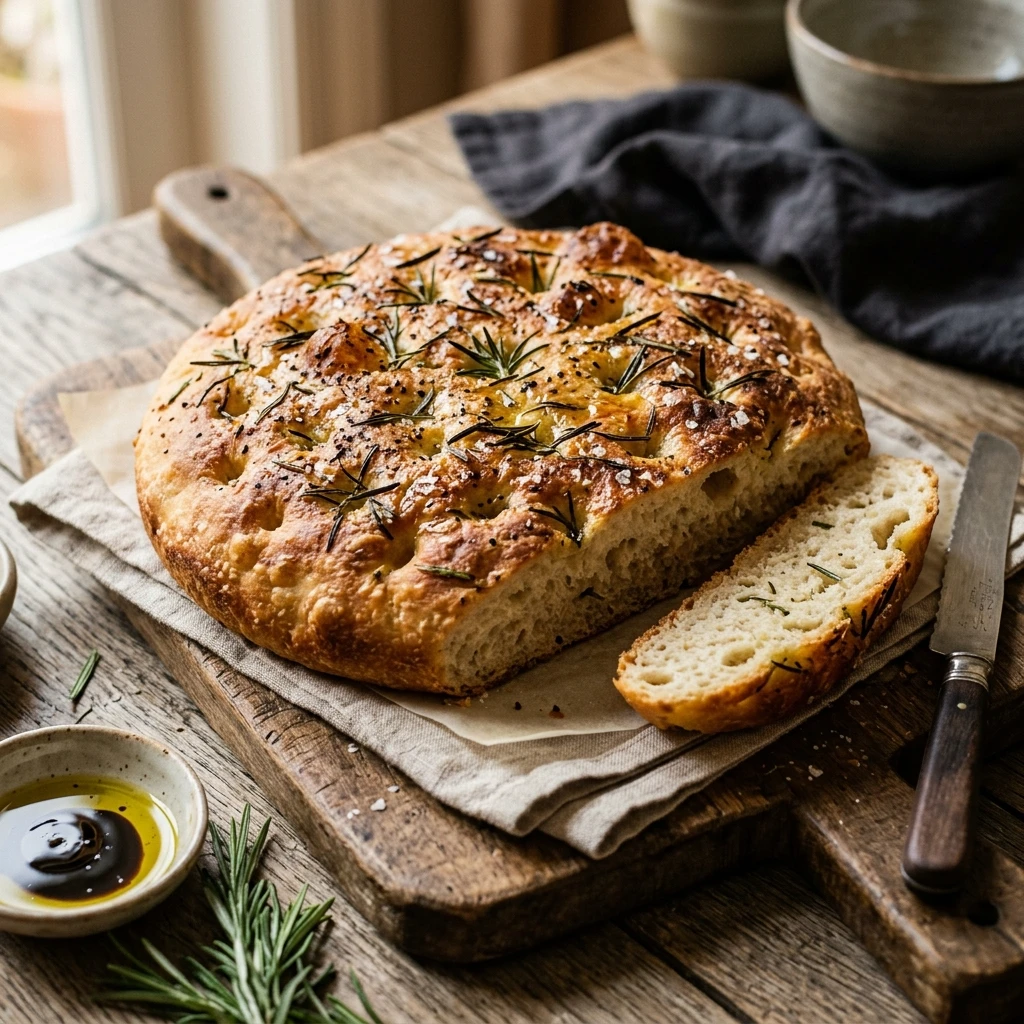
This bread is best served slightly warm. Slice it thick and spread with high-quality salted butter or dip it into a mixture of olive oil and balsamic vinegar. It also makes an incredible base for avocado toast or a side for hearty soups and stews. If you have leftovers, use them to make a savory grilled cheese sandwich.
How to Store No Knead Rosemary Bread
To keep the crust crunchy, store the bread at room temperature in a paper bag for up to two days. If you prefer a softer crust, store it in a sealed plastic bag. For longer storage, slice the bread and freeze it in a freezer-safe bag for up to three months. Simply toast the frozen slices when you are ready to eat.
Expert Tips for Perfect No Knead Rosemary Bread
Always use fresh rosemary if possible, as it provides a much more vibrant flavor than dried herbs. If you find your dough is too sticky to handle, keep your hands floured or use a dough scraper. Most importantly, do not skip preheating the Dutch oven; the intense heat is what creates the steam necessary for that iconic crispy crust.
Delicious Variations
You can easily customize this recipe to suit your taste. Try adding 1/2 cup of shredded parmesan cheese for a Rosemary Parmesan loaf. For a bit of sweetness and texture, fold in 1/4 cup of dried cranberries. You can also swap the rosemary for roasted garlic cloves or chopped olives to create a completely different flavor profile.
Frequently Asked Questions
Q: Can I use whole wheat flour?
Yes, you can substitute up to half of the all-purpose flour with whole wheat flour. Note that the bread may be slightly denser and might require a tablespoon or two more of water.
Q: What if I don’t have a Dutch oven?
You can use a heavy oven-safe pot with a tight-fitting lid. If you don’t have a lid, you can use a baking stone and place a pan of water on the bottom rack of the oven to create steam.
Q: Can I use dried rosemary instead?
Yes, you can use dried rosemary. Use about 2 teaspoons of dried rosemary instead of 2 tablespoons of fresh, as dried herbs are more concentrated.
Q: Does the water have to be exactly 100°F?
It doesn’t have to be perfect, but it should feel like warm bathwater. If the water is too hot, it will kill the yeast; if it is too cold, the yeast will take much longer to activate.
Q: Why did my bread not rise?
The most common reason is expired yeast. Always check the expiration date on your yeast packet. Another reason could be that the room was too cold during the fermentation period.
Conclusion
No Knead Rosemary Bread is proof that you don’t need to be a professional baker to create something extraordinary. It is a simple, satisfying, and delicious addition to any meal. Once you see how easy it is to make your own artisan bread at home, you may never want to buy a loaf from the store again. Happy baking!

No Knead Rosemary Bread
- Total Time: 13 hours
- Diet: Vegetarian
Ingredients
- 3 cups all-purpose flour (or bread flour)
- 1.5 teaspoons salt
- 1/2 teaspoon active dry yeast
- 1.5 cups warm water (about 100°F)
- 2 tablespoons fresh rosemary, finely chopped
- 1 tablespoon olive oil (optional, for the crust)
- Extra flour for dusting
Instructions
- In a large mixing bowl, whisk together the flour, salt, active dry yeast, and chopped fresh rosemary. Ensure the rosemary is evenly distributed so every bite of bread is fragrant.
- Pour the warm water into the bowl with the dry ingredients. Use a wooden spoon or a spatula to stir until a shaggy, sticky ball of dough forms. Do not worry if it looks messy; it is supposed to be hydrated and sticky.
- Cover the bowl tightly with plastic wrap or a clean kitchen towel. Let the dough sit at room temperature in a draft-free spot for 12 to 18 hours. During this time, the dough will double in size and become bubbly.
- Place a heavy Dutch oven (with the lid) into your oven. Preheat the oven to 450°F (230°C) with the pot inside. Let it heat for at least 30 minutes so the pot is screaming hot.
- While the oven preheats, turn the dough out onto a well-floured surface. Gently fold the edges toward the center to form a round loaf. Place the dough onto a piece of parchment paper, which will make it easier to transfer to the hot pot.
- Carefully remove the hot Dutch oven from the oven. Lift the parchment paper with the dough and lower it into the pot. Put the lid back on and bake for 30 minutes. Then, remove the lid and bake for another 15 minutes until the crust is deep golden brown.
- Remove the bread from the pot and let it cool on a wire rack for at least 30 minutes before slicing. This allows the internal structure to set properly.
- Cook Time: 13 hours 0 minutes