Italian Herb Bread
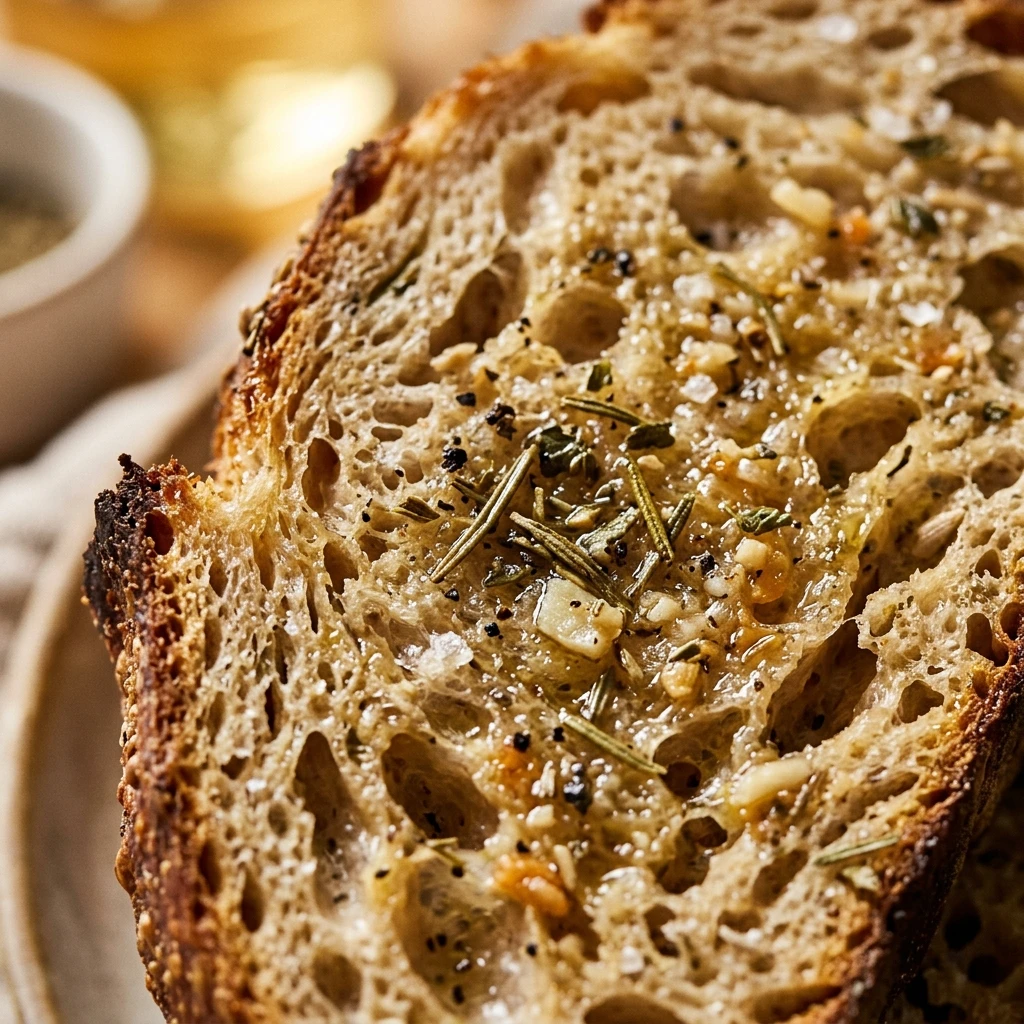
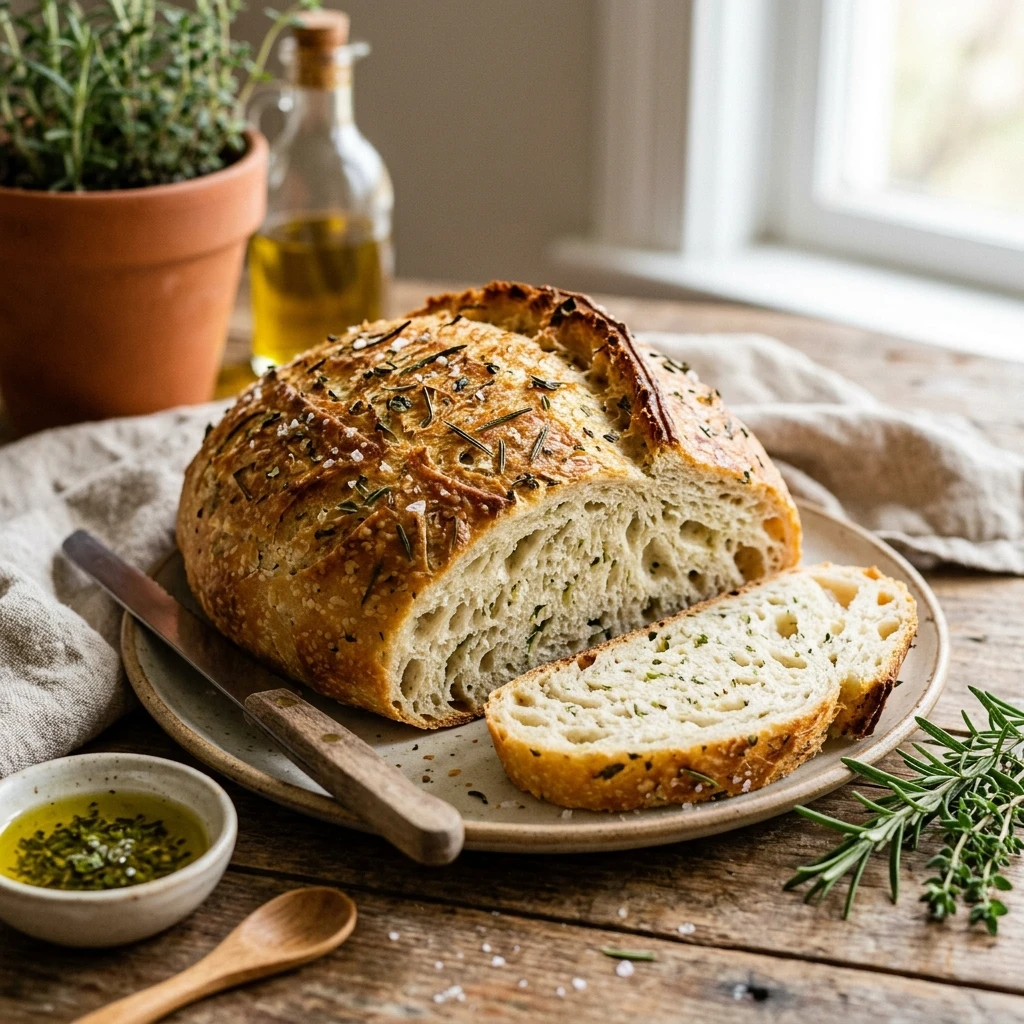
There is nothing quite like the aroma of freshly baked bread wafting through your kitchen. This Italian Herb Bread brings the rustic charm of an Italian bakery right to your home. With a golden crust and a soft, airy interior infused with fragrant herbs, this loaf is the ultimate comfort food. It is simple enough for beginners but yields professional-quality results every time.
Whether you are serving it alongside a hearty bowl of pasta or using it to make the best sandwich of your life, this bread is a total crowd-pleaser. The combination of dried oregano, basil, and a hint of garlic creates a savory profile that pairs beautifully with olive oil or balsamic vinegar. Let’s get baking!
Recipe Information
- Prep Time: 1 hour 50 minutes
- Cook Time: 30 minutes
- Total Time: 2 hours 20 minutes
- Servings: 12 slices
- Difficulty Level: Medium
Nutrition Information
- Calories per serving: 185 kcal
- Protein: 5g
- Carbohydrates: 32g
- Fat: 4g
- Fiber: 1.5g
- Sugar: 1g
- Sodium: 290mg
Why Make This Italian Herb Bread
This recipe is a game-changer because it uses pantry staples to create something extraordinary. Unlike store-bought loaves that can be dry or filled with preservatives, this homemade version is fresh, moist, and customizable. You control the quality of the ingredients, ensuring a healthy and delicious snack for your family.
Another reason to love this bread is its versatility. It works as a side dish, a base for bruschetta, or even as a flavorful pizza crust alternative if rolled thin. Plus, the process of kneading and watching the dough rise is incredibly therapeutic and rewarding for any home cook.
How to Make Italian Herb Bread
Making artisan-style bread at home is easier than you think. By following a few simple steps—proofing the yeast, kneading the dough, and allowing for proper rise time—you will achieve a loaf that looks and tastes like it came from a high-end bistro. Here is the step-by-step guide to bread-making success.
Ingredients
- 1 1/2 cups warm water (105-115°F)
- 1 tablespoon granulated sugar
- 2 1/4 teaspoons active dry yeast (1 packet)
- 3 1/2 to 4 cups all-purpose flour or bread flour
- 1 1/2 teaspoons salt
- 2 tablespoons olive oil
- 1 tablespoon dried oregano
- 1 tablespoon dried basil
- 1 teaspoon garlic powder
- 1/2 teaspoon onion powder
- Optional: 2 tablespoons grated Parmesan cheese for the crust
Directions
Step 1: Proof the Yeast
In a large mixing bowl, combine the warm water and sugar. Stir until the sugar dissolves. Sprinkle the yeast over the surface and let it sit for about 5 to 10 minutes until it becomes foamy. This ensures your yeast is active and ready to make the bread rise.
Step 2: Mix the Dough
Add the olive oil, salt, dried oregano, dried basil, garlic powder, and onion powder to the yeast mixture. Gradually stir in 3 cups of flour. If using a stand mixer, use the dough hook attachment on low speed. If mixing by hand, use a sturdy wooden spoon until a shaggy dough forms.
Step 3: Kneading
Turn the dough onto a lightly floured surface. Knead by hand for 8 to 10 minutes, adding the remaining flour a little at a time, until the dough is smooth, elastic, and slightly tacky but not sticky. If using a mixer, continue for about 5 to 7 minutes.
Step 4: First Rise
Lightly grease a large bowl with olive oil. Place the dough inside and turn it to coat all sides. Cover the bowl with a clean kitchen towel or plastic wrap. Place it in a warm, draft-free spot and let it rise for about 1 hour, or until it has doubled in size.
Step 5: Shaping the Loaf
Gently punch down the risen dough to release air bubbles. Turn it out onto a floured surface and shape it into a round boule or an oblong loaf. Place the shaped dough onto a parchment-lined baking sheet or into a greased loaf pan.
Step 6: Second Rise
Cover the loaf loosely and let it rise again for about 30 to 45 minutes. While the dough rises, preheat your oven to 375°F (190°C). If desired, lightly brush the top with a little olive oil and sprinkle with Parmesan cheese.
Step 7: Baking
Bake for 25 to 30 minutes, or until the crust is golden brown and the loaf sounds hollow when tapped on the bottom. Remove from the oven and let it cool on a wire rack for at least 20 minutes before slicing.
How to Serve Italian Herb Bread
This bread is best served warm. Slice it thick and serve it with a small dish of high-quality olive oil mixed with cracked black pepper and balsamic glaze for dipping. It is also the perfect accompaniment to lasagna, spaghetti bolognese, or a fresh Caesar salad.
For a delicious twist, use slices of this bread to make grilled cheese sandwiches with provolone and sun-dried tomatoes. You can also toast leftovers the next morning and top them with a poached egg and avocado for a savory breakfast.
How to Store Italian Herb Bread
To keep your bread fresh, store it in a paper bag at room temperature for up to 2 days. For longer storage, wrap the cooled bread tightly in plastic wrap and then aluminum foil, and freeze for up to 3 months. Avoid storing bread in the refrigerator, as this can cause it to dry out and become stale quickly.
Expert Tips for Perfect Italian Herb Bread
One of the most important tips is to check the temperature of your water; if it’s too hot, it will kill the yeast, and if it’s too cold, the bread won’t rise. Aim for “baby bath” temperature. Additionally, don’t rush the rising process. Bread flavor develops during the fermentation, so giving it plenty of time in a warm spot is key.
If you want a crispier crust, you can place a shallow pan of water on the bottom rack of the oven while the bread bakes. The steam created will help produce that classic bakery-style crunch on the outside while keeping the inside soft.
Delicious Variations
Feel free to get creative with your herbs! You can substitute the dried herbs for 3 tablespoons of finely chopped fresh rosemary and thyme for a more intense flavor. Adding half a cup of shredded mozzarella or sharp cheddar directly into the dough before kneading creates a wonderful cheesy herb bread.
For a spicy kick, add half a teaspoon of red pepper flakes. You can also press whole olives or halved cherry tomatoes into the top of the loaf before the second rise to turn this into a focaccia-style herb bread.
Frequently Asked Questions
Q: Can I use bread flour instead of all-purpose flour?
Yes! Bread flour has a higher protein content, which will result in a slightly chewier texture and a better rise. It is actually preferred for a more “artisan” feel.
Q: Why did my bread not rise?
The most common reasons are expired yeast or water that was too hot. Ensure your yeast is fresh and the water is between 105°F and 115°F.
Q: Can I make this dough in a bread machine?
Absolutely. Add the ingredients according to your manufacturer’s instructions and use the “Dough” setting. Once finished, shape the loaf and bake it in the oven as directed.
Q: How do I know when the bread is done baking?
The loaf should be golden brown. The most reliable way to check is to tap the bottom of the loaf; it should sound hollow. If you have a meat thermometer, the internal temperature should be around 190°F.
Q: Can I use honey instead of sugar?
Yes, honey works perfectly as a substitute for sugar to feed the yeast. Use the same amount (1 tablespoon) for a slightly different flavor profile.
Conclusion
Baking Italian Herb Bread at home is a rewarding experience that fills your house with a wonderful aroma and provides your family with a delicious, wholesome treat. With its blend of savory herbs and soft texture, it is sure to become a staple in your recipe collection. Give it a try this weekend and enjoy the simple pleasure of homemade bread!
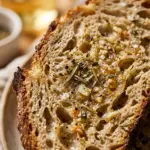
Italian Herb Bread
- Total Time: 2 hours 20 minutes
- Diet: Vegetarian
Ingredients
- 1 1/2 cups warm water (105-115°F)
- 1 tablespoon granulated sugar
- 2 1/4 teaspoons active dry yeast (1 packet)
- 3 1/2 to 4 cups all-purpose flour or bread flour
- 1 1/2 teaspoons salt
- 2 tablespoons olive oil
- 1 tablespoon dried oregano
- 1 tablespoon dried basil
- 1 teaspoon garlic powder
- 1/2 teaspoon onion powder
- Optional: 2 tablespoons grated Parmesan cheese for the crust
Instructions
- Step 1: Proof the Yeast In a large mixing bowl, combine the warm water and sugar. Stir until the sugar dissolves. Sprinkle the yeast over the surface and let it sit for about 5 to 10 minutes until it becomes foamy. This ensures your yeast is active and ready to make the bread rise.
- Step 2: Mix the Dough Add the olive oil, salt, dried oregano, dried basil, garlic powder, and onion powder to the yeast mixture. Gradually stir in 3 cups of flour. If using a stand mixer, use the dough hook attachment on low speed. If mixing by hand, use a sturdy wooden spoon until a shaggy dough forms.
- Step 3: Kneading Turn the dough onto a lightly floured surface. Knead by hand for 8 to 10 minutes, adding the remaining flour a little at a time, until the dough is smooth, elastic, and slightly tacky but not sticky. If using a mixer, continue for about 5 to 7 minutes.
- Step 4: First Rise Lightly grease a large bowl with olive oil. Place the dough inside and turn it to coat all sides. Cover the bowl with a clean kitchen towel or plastic wrap. Place it in a warm, draft-free spot and let it rise for about 1 hour, or until it has doubled in size.
- Step 5: Shaping the Loaf Gently punch down the risen dough to release air bubbles. Turn it out onto a floured surface and shape it into a round boule or an oblong loaf. Place the shaped dough onto a parchment-lined baking sheet or into a greased loaf pan.
- Step 6: Second Rise Cover the loaf loosely and let it rise again for about 30 to 45 minutes. While the dough rises, preheat your oven to 375°F (190°C). If desired, lightly brush the top with a little olive oil and sprinkle with Parmesan cheese.
- Step 7: Baking Bake for 25 to 30 minutes, or until the crust is golden brown and the loaf sounds hollow when tapped on the bottom. Remove from the oven and let it cool on a wire rack for at least 20 minutes before slicing.
- Cook Time: 2 hours 20 minutes